Why Swimmers Plateau, and How Data Actually Breaks It
Most plateaus aren't a fitness problem. They're a visibility problem, and that's exactly what tracked data fixes.

Lachlan Reed
Founder, MakoSwim · July 28, 2026 · 3 min read
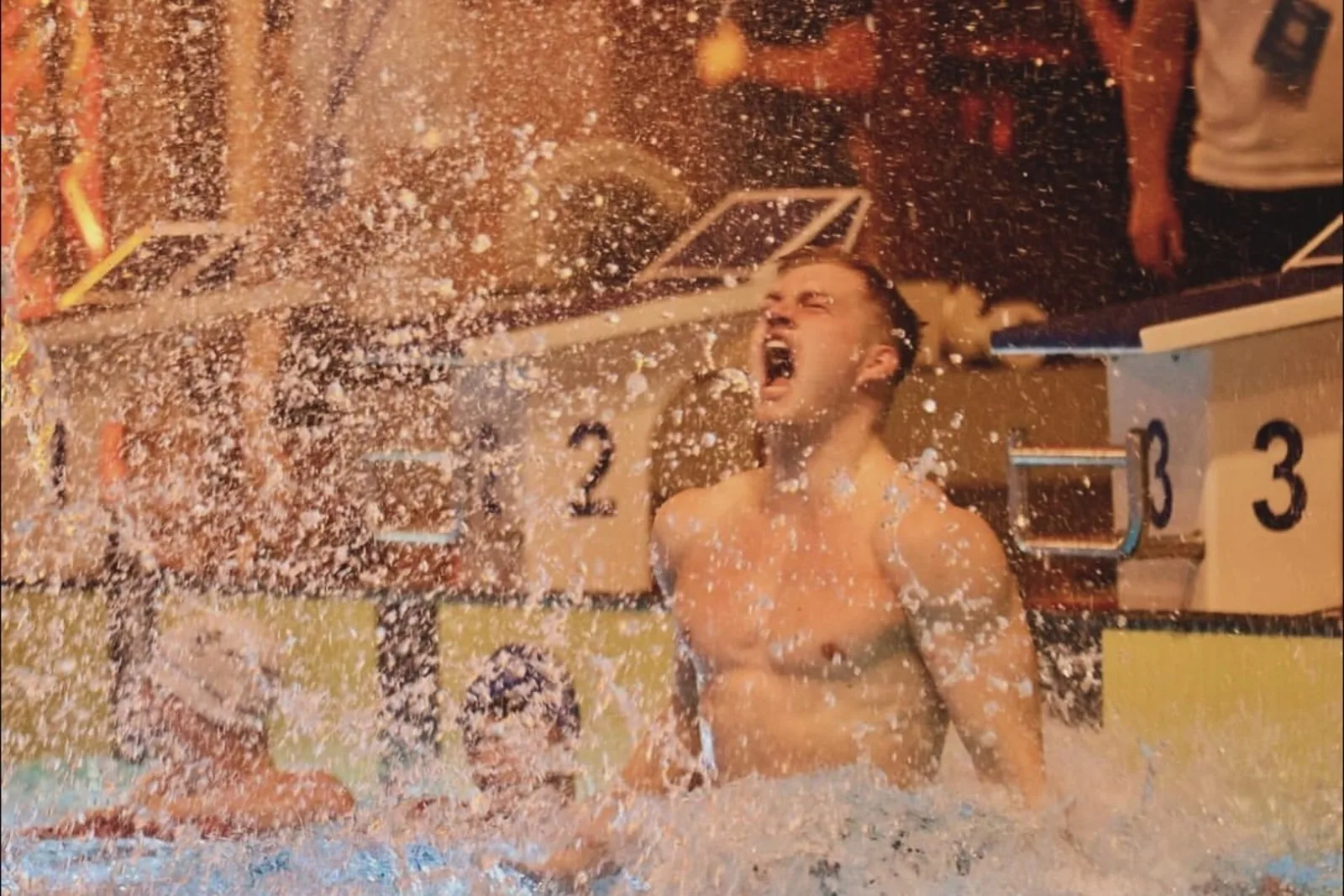
Most plateaus aren't a fitness problem. They're a visibility problem
Every coach has had this swimmer. Training hard, showing up every session, doing everything asked of them, and the clock just won't move. As a swimmer, I have been there.
The instinct is to add more. More yardage, more sets, more intensity. But most plateaus aren't caused by a lack of effort. They're caused by a lack of information. Without objective data on splits, stroke rate, and training load, neither the swimmer nor the coach can tell which specific thing needs to change. They're training hard, just not training differently, and differently is what a plateau actually requires.
What's really happening when a swimmer stalls
Research into long-term swimmer development backs up the pattern most coaches already sense on deck: performance gains naturally slow with age and experience, and freestyle and backstroke tend to plateau earlier than the other strokes. That's a real ceiling for some swimmers at some stages.
But for most club and masters swimmers, the more common cause is simpler. They can't see what's actually changing session to session. “Did I improve?” gets answered by feel, and feel is a poor judge of the small, real progress that compounds over a season. A two-degree improvement in catch angle or a slightly better distance-per-stroke won't register as “better” in the moment. It just quietly adds up, if anyone's tracking it.
Where data actually breaks the plateau
This is the gap video and performance tracking closes. Three ways it changes the conversation between coach and swimmer:
- It replaces “felt hard” with a number. Split times, stroke rate, and stroke count turn a vague sense of effort into something comparable across sessions, and across an entire season, not only one practice.
- It isolates which variable actually moved. A swimmer whose 100m pace hasn't budged but whose stroke count per length has dropped is swimming more efficiently, even though the clock hasn't caught up yet. Without tracked data, that signal disappears entirely.
- It flags the plateau before it shows up as a bad race. Training load and wellness trends, tracked and connected across a season, can surface fatigue weeks before it costs a swimmer a result at the meet that mattered.
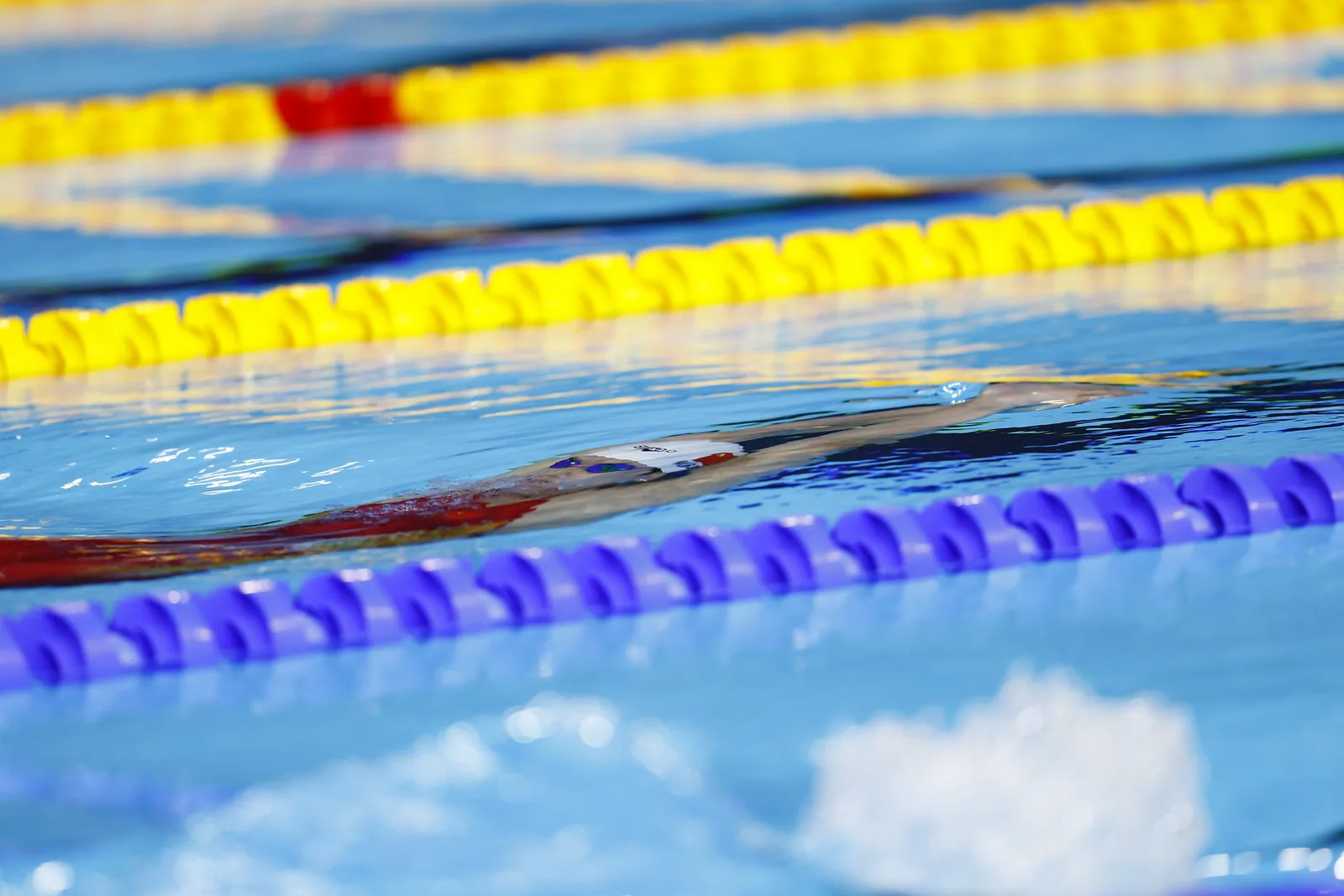
The metrics that actually matter here
Not every stat moves the needle on a plateau. The ones worth watching:
- Distance per stroke. The clearest efficiency signal, and it often improves weeks before the clock reflects it.
- Stroke rate trend. Rising stroke rate at the same pace usually signals fatigue or technique breakdown, not fitness gains.
- Split consistency. Holding even splits under fatigue means the right system is being trained. Wildly uneven splits point to pacing as the limiter, not fitness.
- Training load over time. A load spike without matching recovery is the earliest warning sign of overreaching.
Raw lap count is the least useful number here. It measures effort, not whether that effort produced anything new.
What I’m testing on my own plateau right now
I'll be honest: I'm writing this as much for myself as for anyone reading it. I've been stuck on the 200 breaststroke for a couple of years now, and the data finally told me something my own feel for the water never did. My stroke rate fades through the back half of the race because my kick timing falls out of sync with my pull.
I don't have the fix yet. But I have something I didn't have before: a specific, trackable thing to test, instead of just “swim more 200s and hope.” That's the actual value of the data. Not a guaranteed answer, but a real target instead of a guess.
Turning the data into an actual change
- Pick the metric tied to the swimmer's likely limiter. Technique plateau, look at distance per stroke; pacing plateau, look at split consistency.
- Set one specific target for it.
- Track it every session, not only at time trials. A plateau is diagnosed in the trend, not one swim.
- Re-check after two to three weeks. One session is noise. A trend is signal.
Data doesn't replace coaching. It sharpens it
Data tells a coach what changed. Coaching judgment still has to explain why, and what to actually put in the next set. The swimmers who break through plateaus fastest are the ones whose coach can see the trend clearly enough to act on it immediately, which is the whole idea behind bringing every stream of coaching data into one place.
Explore MakoSwim
Keep reading
Season Planning With the Swimmer in the Room
Most season plans aren’t short on detail. They’re short on the swimmer, and that’s the one input a spreadsheet can’t give you.
How the 1500 Freestyle World Record Was Broken
Johannes Liebmann took 3.88 seconds off Bobby Finke’s 1500 freestyle world record while turning his arms over almost 8% slower. I measured every length of it.
Your Coaching Data Shouldn't Live in Ten Places
How bringing every datapoint into one connected core helps coaches make sharper decisions, and spend more time on deck.
Coach with connected data
Workouts, video, wellness and analytics in one platform.